Buying Off-Plan in Asunción: What to Check Before Signing
Before buying off-plan in Asunción: how to vet the developer, permits, contract, payment plan, delivery dates and trust structures, step by step.
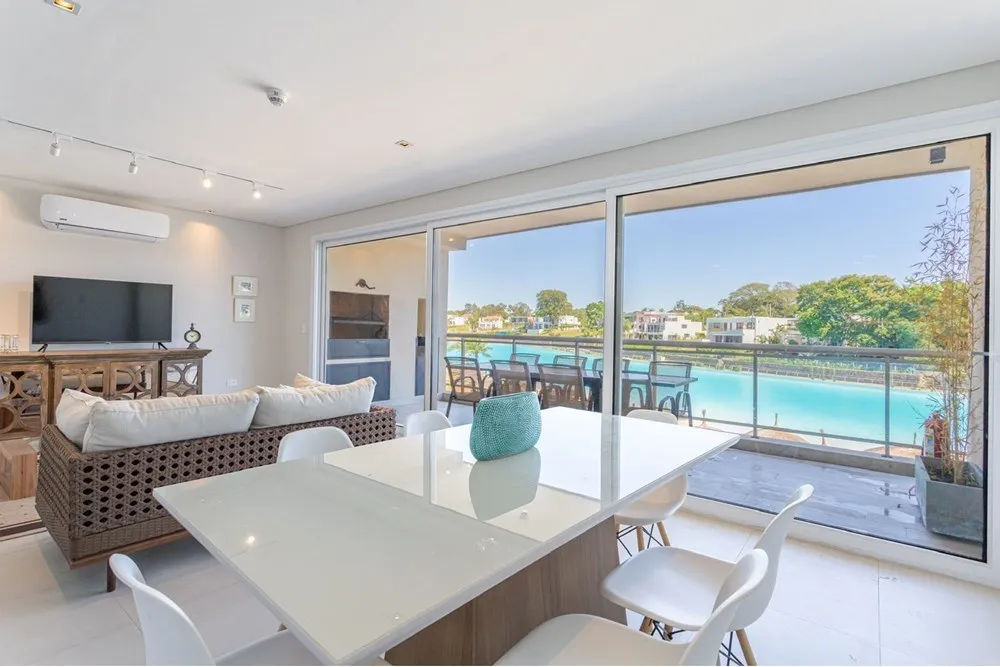
Buying off-plan, known locally as buying en pozo, means buying a unit that doesn’t exist yet: a condo in a building that is under construction or about to break ground. You get to pick your unit and pay in stages, but you are also trusting that the project will be finished as promised. As Paraguayan lawyer Juan Carlos Corina Orué told InfoNegocios, when nothing has been built yet, the contract rests on good faith. That is why it pays to check everything before you sign.
1. Who is behind the project
Find out who is developing, who is building, who is financing and what their track record is. The most valuable check is to see buildings the same company has already delivered and, if you can, talk to the owners. This is no small matter: in April 2026, the president of the Paraguayan Chamber of Real Estate Developers (Capadei) publicly warned about developers with no track record or solvency, amid complaints about undelivered apartments.
Also ask for the company’s exact legal name, its tax ID (RUC) and who signs on its behalf. And don’t be surprised if they ask you for documents too: developers are obliged parties under anti-money-laundering rules (SEPRELAD Resolution 201/20).
2. The land and the permits
Start with the land: whose name it is in and whether it carries mortgages or court orders. According to Corina, if the land is already mortgaged, the risk is much higher, because it can complicate or even halt construction.
In Asunción, building requires authorization from the Municipality, processed by its Dirección de Obras Particulares (plan approval). The requirements include a registered title, a favorable land-use report, the plans, the fire-safety project and, when Law 294/93 requires it, an environmental impact declaration issued by the Ministry of Environment and Sustainable Development (MADES).
Ask the developer for:
- the municipal resolution approving the plans;
- the environmental impact declaration, if required;
- the title to the land and an up-to-date certificate;
- the plans of your unit with its areas (unit, balcony, parking space, storage unit);
- the specifications, with finishes and appliances;
- the draft condominium bylaws (reglamento de copropiedad y administración), which define common areas and HOA fees;
- the construction schedule;
- the full contract.
3. The contract and the payment plan
One structure you will see in the market combines a down payment at signing, installments during construction and a balance on delivery or at the deed signing. Whatever yours looks like, the contract should spell out:
- the exact unit (floor, number, area) and what it includes;
- the price, the currency and whether it is adjusted, and by which index;
- the installment schedule and what happens if you pay late;
- what happens if you want to exit the contract or assign your spot to someone else;
- the delivery date and the date for signing the deed.
4. Deadlines and delays
If construction runs late, what happens will depend mostly on the contract. Corina warns that the contract needs a firm date and a penalty, or the buyer has no way to pressure the developer, and he recommends two penalties: one for late delivery of the building and another for delays in signing the deed. Also check which events allow the delivery date to be extended, and make sure they are clearly defined.
As a general rule, the Civil Code lets the party that performed demand performance of the contract or its termination with damages (art. 725). For serious defects, the builder, and depending on the case the construction manager and the architect, is liable for the total or partial collapse of the building within ten years of handover, and that liability cannot be waived by contract (art. 860). For breaches, Corina points to the consumer protection agency, the Secretaría de Defensa del Consumidor (SEDECO), as the fastest and cheapest route to file a claim; if that fails, the courts remain.
5. The deed and what the escribano checks
For your condo to be deeded, the building must be divided under the horizontal property regime (propiedad por pisos y departamentos): each unit is identified by a number recorded in the registry, and you become the sole owner of your unit and a co-owner of the common areas, such as the land, the structure and the elevators (Civil Code, arts. 2129 to 2131). Ask what stage that process is at and by when the developer commits to sign the deed.
Your escribano, the notary who handles the deed, checks among other things the ownership and any liens using the certificado catastral registral inmobiliario issued by the Registro Unificado Nacional (RUN), who signs for the developer and with what powers, and that the deed matches what you bought.
6. If there is a trust: how it works in Paraguay
Trusts (fideicomisos) exist in Paraguay and are regulated by Law 921/96 on Fiduciary Business. In a trust, the settlor (for example, the developer) transfers assets to a trustee to manage them for a specific purpose. Those assets form a separate estate: the settlor’s creditors cannot go after them, and they are not answerable for the trustee’s own debts (arts. 10, 12 and 13). Only banks, finance companies and trust companies authorized by the Central Bank of Paraguay can act as trustees (art. 19).
Some developments in Asunción use one, but not every project does. If yours does, ask for the trust agreement and check who the trustee is, what the purpose is, which account your payments go into and what happens to your money if construction stops.
7. Visit the site
Go to the site, compare progress with the schedule and ask for construction reports. If there is a model unit, walk through it with the plans in hand and note any differences. Go back during construction: it is the best way to spot delays early.
This is general information and does not replace advice from an escribano or a lawyer on your specific case.
Evaluating a project? Message Matías Vera on WhatsApp: his assistant Vera answers right away. Matías is a RE/MAX Black agent who works across Greater Asunción in buying, selling and renting, and he accompanies you through the process until signing. Browse the available developments or, if you prefer something finished, the condos.
FAQ
What does buying off-plan mean?
It means buying a unit in a project that has not been built yet or is under construction, usually paying in stages until delivery.
Are real estate trusts used in Paraguay?
Yes. Law 921/96 regulates trust arrangements, and only banks, finance companies and trust companies authorized by the Central Bank of Paraguay can act as trustees. Not every project uses one.
What happens if construction is delayed?
It mostly depends on the contract. That is why it should set a firm delivery date and penalties for delays in both delivery and the signing of the deed.
What permits should a building in Asunción have?
Plan approval from the Municipality of Asunción and, when Law 294/93 requires it, an environmental impact declaration. Ask to see the documents.
Sources
- InfoNegocios: off-plan and turnkey contracts under Paraguayan law
- Última Hora: the Paraguayan developers' chamber warns about developers without solvency
- Ferrere: anti-money-laundering rules for the real estate sector (SEPRELAD Res. 201/20)
- Municipality of Asunción: requirements for construction authorization (digital plan approval)
- ECLAC: Law No. 294/93 on Environmental Impact Assessment
- ECLAC: Law No. 6123/2018 creating the Ministry of Environment and Sustainable Development
- ABC Color: Asunción vertical
- Civil Code of Paraguay, Law 1183/85 (OAS)
- Judiciary of Paraguay: the digital Certificado Catastro Registral Inmobiliario
- Law No. 921/96 on Fiduciary Business (Justia Paraguay)
- InfoNegocios: Investor, the country's first dedicated trust company